Does solar power work in the UK even with all the rain?
Sunshine even on cloudy days.
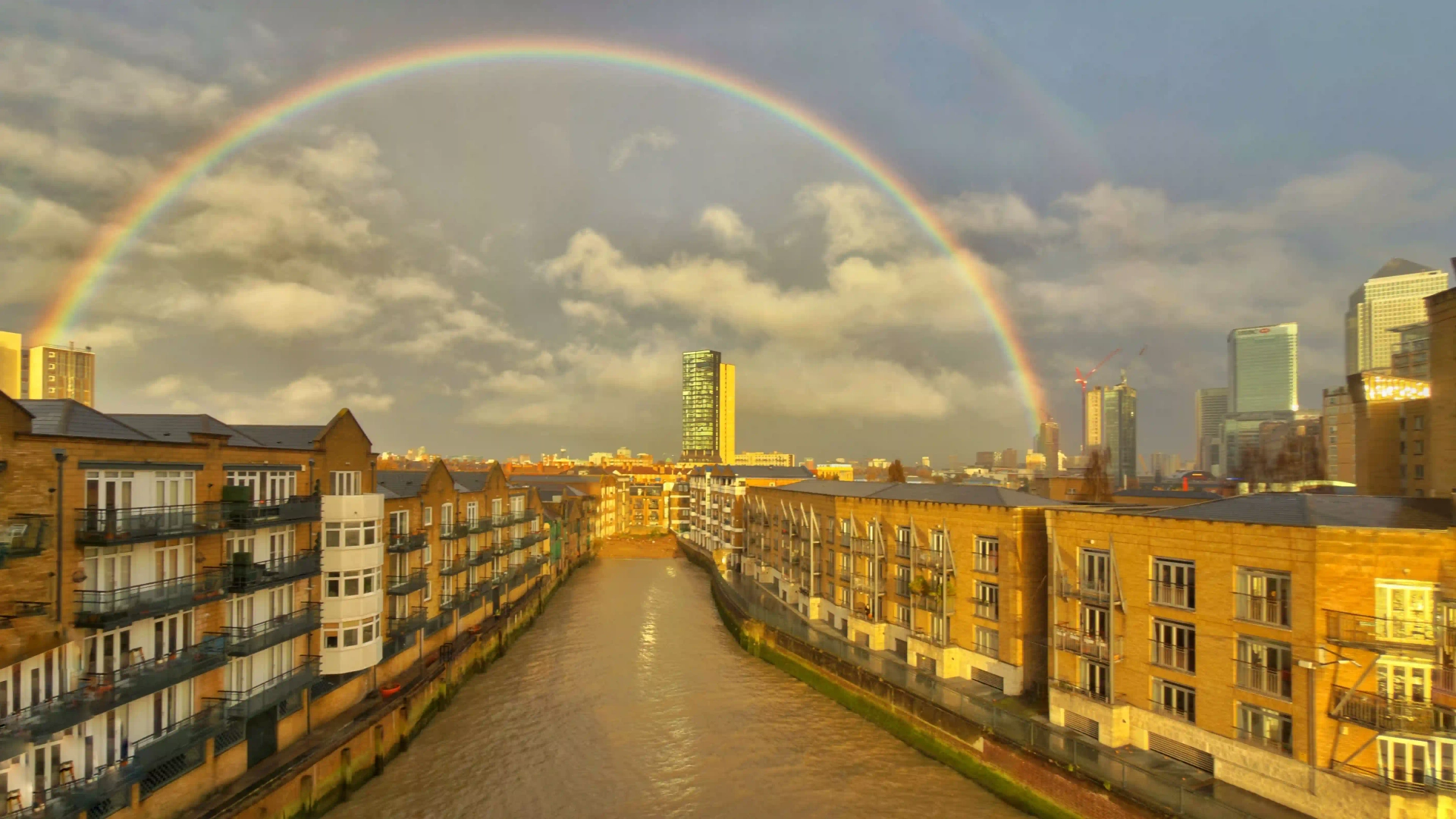
Photo credits: Pexels.
Solar panels don't need direct sunlight to generate electricity (although they generate more electricity when more sunlight reaches them), which means they can still work on cloudy days.
While cloud cover affects how much electricity they generate, our analysis of more than 15 million UK rooftops suggests solar and battery systems could still deliver meaningful savings across the country.
In fact, the Rooftop Valuation Report UK estimates average annual electricity bill savings of more than £800 in every UK country analysed.
How do solar panels work on cloudy days?
Solar panels work best in direct sunlight, but they can still generate electricity when the sky is cloudy or overcast.
That's because solar panels use daylight to generate electricity rather than relying on clear, sunny weather. Cloud cover reduces the amount of light reaching the panels, so electricity generation will generally be lower than on a bright, sunny day, but it doesn't stop altogether.
Energy Saving Trust confirms that solar panels continue generating electricity on cloudy days, meaning the UK's changeable weather doesn't automatically rule your home out for solar.
How much could solar save UK households?
Our modelling estimates that a typical solar and battery system could save UK households an average of around £946 a year on electricity bills, based on the more than 15 million rooftops analysed.
The model uses a 5.17 kWp solar system paired with a 5 kWh battery and estimates an average payback period of around 7.9 years.
There are differences depending on where you live. Estimated average annual savings range from £954 in England and £951 in Wales to £930 in Northern Ireland and £869 in Scotland.
So although the amount of available sunlight matters, our modelling suggests meaningful long-term solar savings aren't limited to the sunniest parts of the UK.
Why does GreenSketch model solar with a home battery?
Our estimates are based on a solar and battery system, rather than solar panels alone. That's because solar panels generate electricity during daylight hours, which doesn't always match when you need to use electricity at home.
A home battery stores surplus electricity generated by your solar panels so you can use it later — for example, in the evening when your panels are generating less or no electricity.
| Installing solar panels only | Installing solar panels and battery |
|---|---|
| Solar electricity can be used as it's generated | Solar electricity can be used as it's generated |
| Surplus electricity can be exported to the grid | Surplus electricity can be stored for later |
| You may need to buy more electricity from the grid when your panels aren't generating enough | Stored solar electricity can be used when solar generation is lower |
The proportion of solar-generated electricity you use in your home, rather than exporting to the grid, is known as your self-consumption rate. Our modelling takes this into account by simulating electricity used directly in the home, electricity stored in the battery and electricity exported to the grid.
Find out how solar could work for your home
The UK's cloudy weather doesn't automatically rule your home out for solar. Our analysis shows potential long-term savings across all four UK countries, but how much you could generate and save depends on your individual home.
A personalised assessment can show your home's solar potential, including how much electricity you could generate, your estimated annual savings and which solar and battery options could suit your property.
→ Enter your postcode on Emily for a free, personalised assessment.Frequently asked questions
Do solar panels need direct sunlight to work?
No. Solar panels work best in direct sunlight, but they can still generate electricity from daylight on cloudy and overcast days.
Do solar panels work in winter in the UK?
Yes. Solar panels still generate electricity during winter, although output is generally lower because there are fewer daylight hours and sunlight is less intense.
Does rain stop solar panels from working?
No. Solar panels can continue generating electricity when it's raining or overcast, although output will usually be lower than in strong sunlight.
Do I need a battery with solar panels?
Not necessarily. Solar panels can work without a battery, but adding one allows you to store surplus electricity generated during the day so you can use it later.
Figures in this article are estimates based on our modelling and are not a guarantee of savings or performance for any individual home. Actual results will vary depending on your property, location, system and energy use.
Sources
- GreenSketch (2026) The Rooftop Valuation Report: United Kingdom
- Energy Saving Trust (2026) Solar power fact check: shining a light on the truth
- Energy Saving Trust (2026) Battery Storage
A roof plan and a savings estimate in two minutes.


Done reading? Get your own numbers.
Enter an address, get a roof plan and an estimate.