What do I need to know before installing solar in the UK in 2026?
From policies to practical considerations.
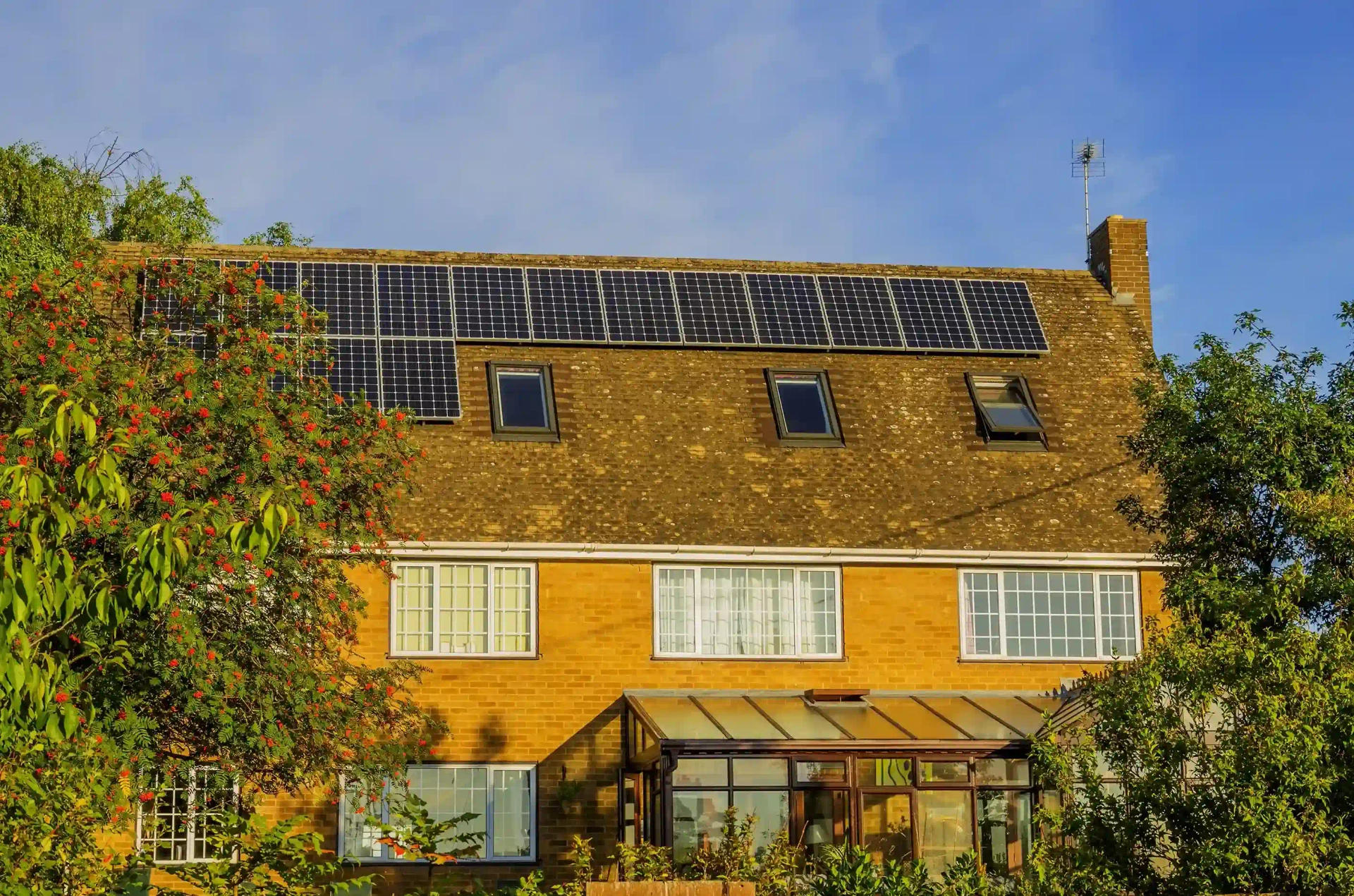
Photo credits: iStock.
If you're thinking about installing solar in 2026, there are a few practical things to know before getting started. Solar and battery installations currently benefit from 0% VAT, you can get paid for eligible electricity you export to the grid, and many rooftop installations can go ahead without planning permission.
Here’s how the financial support, planning rules and installation process work — and what to check before choosing a system for your home.
What financial support is available for solar in 2026?
There are several ways to make installing solar more affordable or get more value from the electricity you generate. Some reduce the upfront cost, while others can help you earn money from surplus electricity or access financial support.
| Support | What it means | Who it may help |
|---|---|---|
| 0% VAT | Qualifying solar panels and battery systems currently benefit from 0% VAT, with the relief due to run until 31 March 2027 | Households installing eligible systems. |
| Smart Export Guarantee | Participating energy suppliers pay households for eligible renewable electricity exported to the grid; rates vary by supplier | Eligible households in England, Scotland and Wales. |
| Warm Homes support | Government-backed programmes can support home upgrades including solar and batteries, particularly for lower-income and fuel-poor households | Eligibility depends on the programme and household. |
| Warm Homes Loan Scheme | A government-backed scheme designed to reduce the cost of finance for home energy improvements | Homeowners and eligible means-tested households. |
The Smart Export Guarantee (SEG) applies in England, Scotland and Wales rather than Northern Ireland. There is no single SEG payment rate: participating suppliers set their own export tariffs. Households in Northern Ireland should check with electricity suppliers about available export payments.
The government's Warm Homes Plan also includes support for solar panels and batteries through targeted home upgrades and new low- and zero-interest finance. What's available will depend on your circumstances and where you live.
Do I need planning permission for solar panels?
Many standard rooftop solar installations can be completed without applying for planning permission because they fall within permitted development rules.
However, the exact rules depend on where you live, your property and how the panels will be installed. Extra requirements can apply to listed buildings, conservation areas and other protected properties or locations.
If you're unsure, check the planning rules that apply in your part of the UK or speak to your local planning authority before committing to an installation.
What does the solar installation process involve?
Installing solar usually starts with understanding what could work for your home before getting a final design and quote from an installer.
- Assess your home: Emily, GreenSketch's AI-enabled solar and battery design platform, can provide an initial assessment of your property's solar potential, with estimates for electricity generation, annual savings and different solar and battery options.
- Compare your options: The biggest system isn't necessarily the right one. Emily provides different system configurations, allowing you to explore options based on your home and electricity needs.
- Speak to an installer: Once you've explored your options, you can request to connect with an installer who can assess your property and provide a final system design and quote.
- Confirm and install your system: Your chosen installer can confirm the technical requirements, costs and installation process before completing the work.
How do I choose a certified solar installer?
Once you're ready to speak to an installer, one accreditation to look for is MCS (Microgeneration Certification Scheme). MCS is the UK's recognised quality standards scheme for small-scale renewable energy and low-carbon technologies, including solar.
Choosing an MCS-certified installer is also important if you want to access certain grants or receive payments for electricity you export through the Smart Export Guarantee.
GreenSketch's Rooftop Valuation Report highlights MCS certification as an important consideration for homeowners looking to access grants or export payments.
Find out which solar setup could suit your home
The right solar setup will vary from one household to another. Before committing to an installation, it can help to understand your options and get an initial picture of what solar and battery storage could mean for your home.
A personalised assessment can show different solar and battery options alongside estimates for electricity generation, annual savings and payback.
→ Enter your postcode on Emily for a free, personalised assessment.Frequently asked questions
Can I get free solar panels in the UK?
There isn't a scheme providing free solar panels to every UK homeowner. However, some lower-income or fuel-poor households may qualify for funded home energy upgrades that include solar panels. Eligibility varies by scheme and location.
Is solar VAT-free in 2026?
Qualifying residential solar panels and battery storage currently benefit from 0% VAT. The current relief is due to run until 31 March 2027, although tax policy can change.
Can I get paid for electricity I export to the grid?
Yes. In England, Scotland and Wales, eligible households can receive payments through Smart Export Guarantee tariffs offered by participating electricity suppliers. Rates vary between suppliers. Northern Ireland has different arrangements, so households should check available export tariffs with their electricity supplier.
What does MCS-certified mean?
MCS stands for Microgeneration Certification Scheme. It sets recognised standards for small-scale renewable energy installations in the UK, including solar. MCS certification is also typically required to access certain grants and Smart Export Guarantee payments.
Do solar panels need planning permission?
Many standard domestic rooftop installations can fall within permitted development rules, meaning a planning application may not be required. Different rules and restrictions can apply depending on your location, property and proposed installation, particularly for listed or protected buildings.
Policy, tax and scheme information in this article is correct to the best of our knowledge at the time of writing in September 2026. Rules, funding and eligibility can change, so check current government, supplier and scheme guidance before making a financial or installation decision.
Sources:
- GreenSketch (2026) The Rooftop Valuation Report: United Kingdom
- HM Revenue & Customs / GOV.UKVAT on energy-saving materials and heating equipment
- Energy Saving TrustSmart Export Guarantee
- Department for Energy Security and Net Zero (2026) Warm Homes Plan
- Department for Energy Security and Net Zero (2026) Warm Homes Loan Scheme
- MCS MCS standards and certification
A roof plan and a savings estimate in two minutes.


Done reading? Get your own numbers.
Enter an address, get a roof plan and an estimate.